Atraverse Medical has announced that the latest clinical evidence on the efficacy and safety of its Hotwire left heart access system were presented at the 2025 Heart Rhythm Society (HRS) annual meeting (24–27 April, San Diego, USA).
Devi Nair (St Bernards Healthcare, Jonesboro, USA) presented the poster, entitled ‘First-in-human multicentre experience using a novel sheath-agnostic radiofrequency [RF] transseptal wire’, on 26 April.
“EP [electrophysiology] labs have long navigated the complexities of left heart access using an antiquated standard of care or devices that lock us into closed systems with little-to-no flexibility,” said Vivek Reddy (Mount Sinai Fuster Heart Hospital, New York City, USA), a co-author of the poster. “The Hotwire innovation is both intuitive and allows for seamless integration into current workflows—together, likely to have a significant impact on EP and structural heart procedures.”
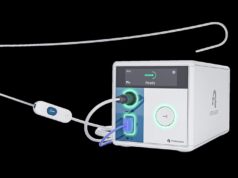
An Atraverse press release details that Hotwire was developed to enhance procedural efficiency and streamline workflows with a therapy-agnostic innovation in left heart access.
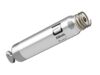
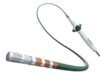
Utilised in more than 250 successful procedures with 10 different introducer sheaths since its US Food and Drug Administration (FDA) clearance in May 2024, Atraverse’s Hotwire device is described by the company as a novel RF guidewire that enables zero exchange left heart access while acting as a rail for catheter-based therapy systems.
According to Atraverse, the Hotwire system was developed to meet the needs of electrophysiologists and cardiologists with universal, sheath-agnostic compatibility; 25% brighter imaging on echocardiograms; and two-times stronger rail stiffness compared to competitive wires.
“These findings reinforce the strong clinical performance of Hotwire and mark a pivotal step forward in our mission to redefine transseptal access,” commented Eric Sauter, chief operating officer (COO) and co-founder of Atraverse. “As we continue to increase our presence in the clinical landscape, these data underscore the growing confidence in our platform, and the significant impact it can have on procedural efficiency and patient outcomes worldwide.”