The UK’s National Institute for Health and Care Excellence (NICE) has issued guidance recommending Abbott’s CardioMEMS HF system for remote monitoring of adults with chronic heart failure who have been hospitalised and are at risk of further admission.
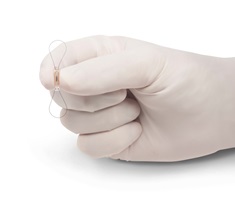
The paperclip-sized device is placed in the pulmonary artery via a minimally invasive procedure and monitors for pressure changes that indicate worsening heart failure.
The sensor wirelessly transmits daily pressure readings to a patient’s clinical team—allowing physicians to make therapy changes to combat progression to later-stage heart failure while empowering the patient to manage their condition from virtually anywhere.
“This technology offers a real opportunity to improve care for people living with chronic heart failure,” commented Anastasia Chalkidou, HealthTech programme director at NICE. “By enabling early detection of problems and timely medication adjustments, it has the potential to reduce emergency hospital admissions and help people manage their condition more effectively from the comfort of their own home. For patients and their families, this means fewer frightening trips to A&E [accident and emergency] and more time living their lives. For the NHS [National Health Service], it represents an innovative approach to managing a condition that places significant demands on hospital resources.”
“We routinely ask heart failure patients in the UK to monitor their weight, symptoms and blood pressure at home,” added Andrew Flett (University Hospital Southampton, Southampton, UK), one of the first doctors in the UK to implant a CardioMEMS system. “This approach is often too late to detect signs of worsening heart failure, which can prevent timely medical intervention and increase the chances of a patient being admitted. Patients who receive the sensor can send readings to the hospital every day from their home, so we can monitor them and adjust medications immediately from a distance—it is a revolution and a very exciting piece of technology.”