CVRx recently announced the start of the BENEFIT-HF clinical trial, a randomised study designed to evaluate the impact of the Barostim neuromodulation device in a “significantly expanded heart failure population”, according to the company.
The trial is supported by Centers for Medicare and Medicaid Services (CMS) category B investigational device exemption (IDE) coverage, CVRx reports.
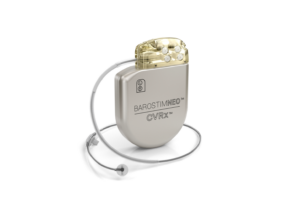
Barostim baroreflex activation therapy is an implantable device that delivers electrical signals to baroreceptors located on the carotid artery, increasing baroreflex signalling, rebalancing the autonomic nervous system, and improving heart failure symptoms.
The BENEFIT-HF trial is expected to be one of the largest therapeutic cardiac device trials ever performed in heart failure, randomising 2,500 patients in approximately 150 centres in the USA and Germany, according to CVRx. The primary endpoint will be a composite of all-cause mortality and heart failure decompensation events. Enrolment is expected to begin in the first half of this year.
The BENEFIT-HF trial is designed to evaluate Barostim in patients with heart failure who remain symptomatic after receiving optimised guideline-directed medical and device therapies (GDMT); have a left ventricular ejection fraction (LVEF) <50% (compared to the current Barostim indication of <35%); and have NT-proBNP test levels <5,000pg/mL (compared to the current indication of <1,600pg/mL).
If successful, the BENEFIT-HF trial could expand the indicated patient population for Barostim approximately three times, CVRx estimates. The therapy received US Food and Drug Administration (FDA) approval in 2019 following its designation under the FDA’s Breakthrough Devices programme, and is now commercially available in both the USA and Europe.