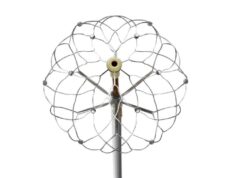
Johnson & Johnson (J&J) has announced the arrival of a new pulsed field ablation (PFA) technology for the treatment of drug-refractory paroxysmal atrial fibrillation (AF) in Peru, representing a “significant advance” in cardiac arrhythmia care with benefits including safety, precision and procedural efficiency.
“With this launch, Peru joins the Latin American countries that already have this world-class innovation, used in international reference centres. In the country, institutions such as Clínica Delgado of the AUNA group [Lima, Peru] will lead its implementation, consolidating Peru’s positioning at the forefront of electrophysiology,” said Silvina Romero, general manager, Peru and Ecuador, J&J MedTech. “The procedure was performed using Varipulse technology, currently under evaluation by the institution as part of its ongoing commitment to identifying innovations for patient treatment. This is how our presence in the region directly impacts the quality of life of the thousands of Peruvian patients living with atrial fibrillation.”
According to J&J, one of the most relevant differentiators of this innovation is that it is an integrated mapping and ablation system, allowing electrophysiologists to work with real-time visualisation and immediate feedback during the procedure—thus facilitating a more efficient, reproducible workflow with minimal fluoroscopy exposure, and contributing to improved patient safety and medical team confidence.
“The integration of three-dimensional mapping and pulsed field ablation in a single system substantially improves our ability to make decisions during the procedure,” commented cardiologist Mario Cabrera (Clínica Delgado, Lima, Peru). “This translates into more efficient operating times, a lower complication rate, and reduced radiation exposure for both the patient and our medical team—all fundamental aspects of the quality care we strive to provide.
“Atrial fibrillation affects thousands of Peruvians, and many of them do not respond adequately to pharmacological treatment. Having this innovation positions us at the regional forefront and, most importantly, allows us to offer our patients the possibility of recovering their quality of life.”