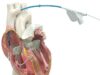
 Targeted placement of a left ventricular lead does not improve outcomes in patients with heart failure undergoing cardiac resynchronisation therapy (CRT), according to results presented at the European Society of Cardiology (ESC) congress (28–31 August, Munich, Germany) and published simultaneously in The Lancet.
“While CRT improves symptoms, quality of life and survival in majority of patients, up to one-third do not experience any benefit,” explained Jens Cosedis Nielsen (Aarhus University Hospital, Aarhus, Denmark), principal investigator of the DANISH-CRT trial. “Observational data have shown that measuring a late electrical signal from the left ventricular lead is associated with better outcomes. However, whether a strategy of targeting placement of the left ventricular lead at the latest activated site improves outcomes has never been investigated in a large randomised controlled trial.”
DANISH-CRT was an investigator-initiated, double-blind trial conducted in all five Danish university centres performing CRT device implantations. The trial included 1,000 patients who had heart failure and left bundle branch block (LBBB) on guideline-directed medication, and were referred for biventricular pacing. Patients were randomised to left ventricular lead placement targeted to the site of latest electrical activation within the coronary sinus branches or to standard lead placement in the posterolateral, non-apical coronary sinus.
After a median of 45.8 months of follow-up, the primary endpoint of death or first unplanned hospitalisation for heart failure occurred in similar proportions of patients with targeted lead placement and standard lead placement (27.9% vs 25.5%; hazard ratio, 1.10; 95% confidence interval, 0.86 to 1.39; p=0.45).
Consistently similar findings were observed across secondary endpoints including structural changes to the left ventricle, quality of life, functional status and physical capacity, as well as in subgroup analyses of the primary endpoint. Numerically, more lead-related complications were observed in the targeted lead placement group.
“Our findings do not support routine electrical mapping to target left ventricular lead placement in contemporary CRT practice,” Cosedis Nielsen added. “We will continue to analyse data from the DANISH-CRT trial to investigate which patient subgroups benefitted most from CRT.”