Johnson & Johnson (J&J) has announced new data from the VARIPURE and Omny-IRE studies presented at the 2026 Asia Pacific Heart Rhythm Society (APHRS) annual meeting (21–24 October, Busan, South Korea). Both studies were published simultaneously in Europace and Heart Rhythm, respectively.
“The data presented at APHRS demonstrate the progress we are making across our pulsed field ablation [PFA] pipeline and portfolio,” said Gregory Michaud, chief medical and scientific officer of electrophysiology at J&J. “The acute safety and efficiency results from Varipulse Pro and 12-month outcomes with the investigational Omnypulse platform strengthen the clinical evidence supporting our differentiated technologies as we work to advance atrial fibrillation [AF] care for physicians and patients.”
First multicentre experience with Varipulse Pro platform
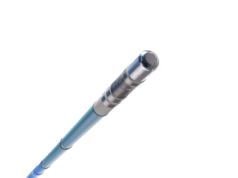
VARIPURE evaluated 225 patients treated across 19 centres in Europe, representing a diverse population of paroxysmal (65.8%) and persistent (34.2%) AF patients. The Varipulse Pro platform introduced a new 3.8-second ablation pulse sequence and is currently available in Europe, Japan, and other Asia-Pacific (APAC) and Latin America (LATAM) markets, but is not currently approved in the USA, according to J&J.
Key highlights from the late-breaking study included effectiveness and safety results; enrolled patients had a 100% rate of acute procedural success. Additionally, study data showed one primary adverse event (0.4%) that was resolved without sequelae, and zero reported instances of stroke, coronary spasm, acute kidney injury or death. Regarding workflow evaluation, the mean ablation duration was 17.9 minutes, and single-catheter mapping and ablation were used in 88.9% of cases.
“The VARIPURE study provides the first real-world data for Varipulse Pro,” said Leon Iden (Herzzentrum Bad Segeberg, Bad Segeberg, Germany). “The findings on safety, acute procedural success and catheter versatility, together with conveniently short ablation duration, highlight the potential to streamline PFA procedures and help physicians deliver efficient, consistent care across a broad range of patients with AF.”
Twelve-month outcomes with investigational Omnypulse platform
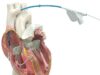
Omny-IRE evaluated 136 patients with symptomatic paroxysmal AF treated across 13 European centres. The investigational Omnypulse platform features a large-tip focal PFA catheter with contact-force sensing, J&J states.
Key findings from the late-breaking study include:
- Effectiveness results—82.5% freedom from documented AF, atrial flutter (AFL) or atrial tachycardia (AT) recurrence at 12 months with stringent monitoring, and 90.1% with standard-of-care monitoring
- Safety results—2.9% adverse event rate; notably, all safety events were resolved
- Quality-of-life and healthcare utilisation results—25.5-point mean improvement in the Atrial Fibrillation Effect on Quality-of-Life (AFEQT) score, alongside reductions in antiarrhythmic medication use and cardiovascular-related hospitalisations
“For physicians evaluating new PFA technologies, sustained effectiveness at 12 months is a key measure of whether strong acute results translate into meaningful outcomes over time,” said Tom De Potter (OLV Hospital, Aalst, Belgium). “The Omny-IRE findings are encouraging because they extend beyond meeting the effectiveness and safety endpoints, or collecting quality-of-life and healthcare utilisation data, helping us better understand what treatment with the investigational Omnypulse platform could mean for both physicians and patients.”
New data on Carto 3 system
The Carto 3 system is described by the company as the foundation of J&J’s integrated electrophysiology ecosystem, connecting technologies across access, imaging, mapping, ablation and clinical support designed to enable differentiated workflows that help physicians treat patients more efficiently, precisely, and confidently.
A new 12-month analysis of the Premier Database—which included data from more than 1,000 hospitals—showed that use of the Carto 3 system was associated with lower long-term AF-related acute care utilisation compared with the EnSite mapping system (Abbott). Patients treated with EnSite had a 31% higher risk of AF/AFL/AT-related inpatient readmissions or emergency room visits.
Together, J&J notes, the APHRS 2026 findings provide real-world and multicentre clinical evidence from more than 350 patients across two distinct PFA platforms. Alongside new comparative data for the Carto 3 system, the results strengthen the evidence supporting the company’s differentiated electrophysiology portfolio and pipeline of PFA technologies, and their potential to enable efficient, consistent AF care.