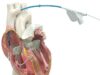
 New results from the multicentre CAAD-VT trial show that catheter ablation may reduce ventricular tachycardia (VT) events in patients with ischaemic and non-ischaemic cardiomyopathy. Researchers presented these findings as a late-breaking clinical trial at the 2026 Heart Rhythm Society (HRS) annual meeting (23–26 April, Chicago, USA).
“While catheter ablation is widely used to treat VT, continued evaluation across diverse patient populations is essential to ensure every patient receives the most effective therapy,” said Saurabh Kumar (Westmead Hospital, Sydney, Australia). “These findings add to growing evidence supporting catheter ablation as a viable option for treating patients with VT, with both ischaemic and non-ischaemic cardiomyopathies.”
Historically, clinical trials evaluating treatments for VT have focused predominantly on patients with coronary atherosclerosis, which results in ischaemic heart disease. This is due in part to the higher prevalence of ischaemic heart disease and its more uniform disease substrate, which has made it easier to study in controlled settings. In contrast, patients with non-ischaemic cardiomyopathy represent a more heterogeneous population and have been underrepresented in prior trials, leaving uncertainty about how otherwise well-established therapies perform in this group.
The CAAD-VT study was therefore designed to address this gap by including patients with either ischaemic or non-ischaemic cardiomyopathy, extending randomised evidence to a broader and more representative patient population.
CAAD-VT—a prospective, randomised, multicentre, open-label trial—compared two standard approaches for managing VT: antiarrhythmic drug (AAD) therapy versus catheter ablation. The study enrolled patients with spontaneous or inducible VT, and randomised them to receive one of the two approaches.
A total of 100 patients were followed for a median of 35.7 months. Researchers found that the primary endpoint—a composite of recurrent VT, VT storm, or all-cause mortality—occurred in 51% of patients treated with catheter ablation, compared with 71% in those receiving AAD therapy. Catheter ablation was also associated with a significantly lower risk of VT recurrence and VT storm, while mortality rates were similar between groups.
According to the investigators, future research will include larger multicentre trials to confirm generalisability, and better understand cost-effectiveness and quality-of-life impacts.