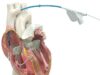
Results from the multicentre CRT‑NEXT study have shown that CRT‑DX (Biotronik)—a two-lead cardiac resynchronisation therapy defibrillator (CRT-D) system—is as safe and effective as conventional three-lead CRT‑D therapy. As per a Biotronik press release, the study’s findings, which were presented at the 2026 American College of Cardiology (ACC) annual scientific session (28–30 March, New Orleans, USA) by coordinating investigator Mauro Biffi (Sant’Orsola-Malpighi Polyclinic, Bologna, Italy), confirm that most CRT candidates do not develop the need for atrial pacing in the long term and can benefit from therapy with fewer leads.
CRT‑NEXT is a prospective, multicentre, interventional, non-inferiority randomised controlled study that enrolled 636 patients across 23 Italian centres. According to Biotronik, it is the largest evaluation to date of CRT-DX therapy—a CRT-D system that preserves full atrial sensing capabilities without requiring an atrial lead.
The study demonstrated a threefold reduction in atrial lead-related complications as compared to conventional three-lead systems. The researchers also found that implantation procedures were 14% shorter in duration with CRT-DX, which Biotronik notes may translate to improved workflow efficiency and reduced patient burden. Furthermore, in CRT-NEXT, there were comparable CRT response rates and functional capacity outcomes between Biotronik’s device and conventional three-lead systems, and the long-term need for atrial pacing in appropriately selected CRT-DX patients was found to be “extremely rare”.
“These results confirm what early pilot studies suggested—that, for the vast majority of CRT candidates, atrial pacing is not needed in the long term,” said Biffi. “By removing the atrial lead, CRT‑DX offers meaningful advantages in safety and procedure simplification without compromising clinical performance.”
According to Biotronik, this study reinforces the clinical relevance of CRT‑DX technology by showing that patient selection is based on simple criteria, which makes it easier for physicians—including those who are new to the system—to adopt the approach. With strong evidence supporting its non‑inferiority to conventional CRT-D systems, along with better safety due to fewer atrial lead-related issues, CRT-DX offers a “compelling new way” of using reduced hardware while preserving therapeutic effectiveness, the company also claims.
“Biotronik’s CRT-DX system is the only two-lead CRT‑D solution on the market,” commented David Hayes, chief medical officer at Biotronik. “The CRT‑NEXT results clearly demonstrate the system’s distinct advantages for both clinicians and patients. These data reinforce our leadership in CRT innovation and offer strong clinical support for a significant evolution in CRT treatment.”
In addition to being presented at ACC 2026, these results have also been published online in Circulation.