 New results from a pivotal multicentre trial—FULCRUM-VT—show that ultra-low-temperature ablation (ULTA) may offer a promising new treatment option for patients with ventricular tachycardia (VT) and structural heart disease. Researchers presented these findings as a late-breaking clinical trial at the 2026 Heart Rhythm Society (HRS) annual meeting (23–26 April, Chicago, USA).
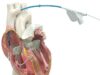
While ablation is commonly used to treat VT, conventional approaches may be less effective in reaching deeper or heavily scarred tissue—but ULTA offers a promising alternative, according to a press release from the HRS. By using extreme cold—near-critical nitrogen with a boiling point of -196°C—this approach can more effectively target these challenging areas and may provide a new treatment option for patients with difficult-to-manage arrhythmias.
The pivotal FULCRUM-VT trial evaluated the safety and effectiveness of ULTA in 209 patients with structural heart disease undergoing VT ablation at 19 sites across the USA and Canada. The study enrolled patients with both ischaemic and non-ischaemic cardiomyopathy, many of whom had implantable cardioverter-defibrillators (ICDs) and were already receiving antiarrhythmic medications, including amiodarone. This high-risk population had advanced disease, with a mean left ventricular ejection fraction (LVEF) of 35%, and continued to experience arrhythmias despite prior therapy. During each procedure, physicians used the ULTA system to precisely target and ablate the areas of heart tissue responsible for initiating and supporting VT.
The study found that ULTA demonstrated high effectiveness and a favourable safety profile for treating scar-related VT in patients with cardiomyopathy. Post-ablation testing confirmed that the treating physicians could no longer induce 98% of targeted VTs, demonstrating successful elimination of these abnormal heart rhythms. Investigators also observed major adverse events in only 2.5% of patients, indicating that the procedure was generally well tolerated.
“VT in cardiomyopathy patients can be challenging to treat, particularly when scar tissue interferes with the heart’s normal electrical pathways,” commented Atul Verma (Montreal General Hospital, Montreal, Canada). “This study points to using ULTA as a new approach to safely and effectively target difficult arrhythmia circuits, potentially improving treatment options for patients.”
Researchers will continue assessing how ULTA procedures affect VT recurrence over time, and will share upcoming data on six-month and longer-term patient outcomes, as detailed in the HRS press release.