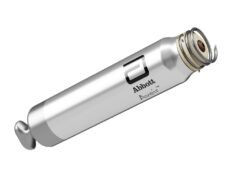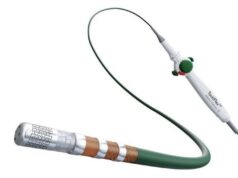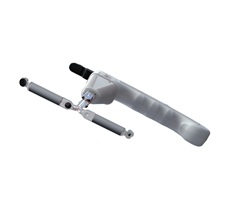
AtaCor Medical announced today the enrolment of the first patient in the company’s ALARION-EV study, which is evaluating an investigational, next-generation parasternal extravascular implantable cardioverter-defibrillator (EV-ICD) system featuring AtaCor’s Atala lead in combination with an EV-ICD pulse generator developed by Abbott in patients who are indicated for a standard ICD but do not require chronic pacing therapy for slow heart rhythms.
“Arrhythmia Research Group is excited to participate in the ALARION-EV study, and we are pleased to contribute to the evaluation of this technology,” commented Devi Nair (St Bernards Medical Center, Jonesboro, USA), the first global site to enrol a patient in the trial. “AtaCor’s investigational EV-ICD solution uses a novel parasternal lead delivery, and is designed to allow physicians to deliver necessary anti-tachycardia pacing and shock therapies while avoiding the vascular and cardiac complications associated with traditional transvenous ICD systems.”
The ALARION-EV trial is a prospective, multicentre, single-arm study that will enrol up to 280 patients across as many as 40 sites in the USA and the Netherlands. This AtaCor-sponsored study aims to demonstrate the safety and effectiveness of the investigational parasternal EV-ICD system through at least six months of follow-up, with collected data to support a future premarket approval (PMA) submission.
While ICDs are a cornerstone therapy for preventing sudden cardiac death in patients with ventricular arrhythmias, traditional systems require leads to be placed inside the heart, which can lead to vascular injury, lead fractures, malfunctions, and infections, AtaCor states.
The novel design of the company’s investigational Atala lead allows implantation through a small left parasternal incision, with the lead positioned through a rib space and electrodes placed against the pericardium—outside of the heart and vasculature. Additionally, Abbott’s investigational EV-ICD pulse generator can be placed in either a lateral or pectoral device pocket, which could offer a new option for EV-ICD systems. This unique investigational approach is designed to deliver defibrillation and anti-tachycardia pacing, obviating longstanding transvenous lead management considerations and reducing the need for complex revisions associated with leads placed through veins and across cardiac structures.
“This clinical milestone is a significant step forward in AtaCor’s mission to transform cardiac rhythm management. The successful treatment of our first patient in the ALARION-EV trial reflects the strength of our innovation, as well as the dedication of our teams and clinical partners,” said AtaCor chief executive officer (CEO) Rick Sanghera. “We look forward to building on this initial momentum, and remain committed to advancing these extravascular therapies to improve patient outcomes and drive meaningful evolution in cardiac care.”
The AtaCor-Abbott parasternal EV-ICD system—including the Atala lead and EV-ICD pulse generator—is under development, is limited exclusively for investigational use, and is not approved for sale in any geography.